PRESENTATION · 4 MIN
Honey and gelatin still sit in most kitchens at fifty. What moved is the energy that used to carry the whole afternoon.
A plain look at how honey and gelatin sit in an ordinary day, and how the order of meals tends to line up with the energy men notice by four in the afternoon.
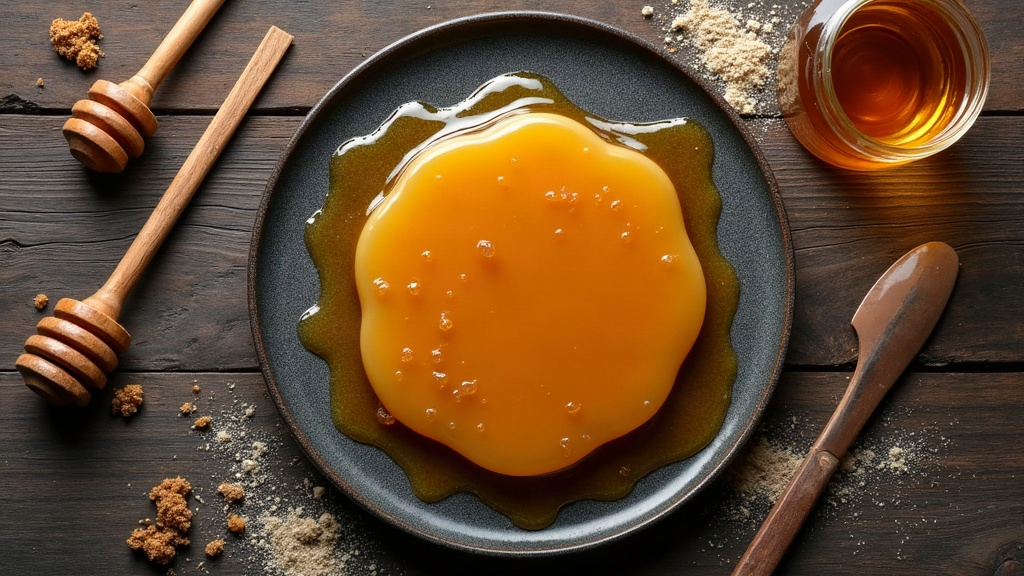
What Quietly Changes For Men After 50
Most men reach fifty eating close to what they ate at thirty, and that part is fine. What changes is the handling underneath it: how the day’s energy actually gets used, how much protein it takes to hold onto muscle, how well a few nutrients still make it across. None of it announces itself, it just quietly rearranges the day. The four things below are not a diet. They are changes of order and timing on the same plate he already eats from.
Protein: it tends to land almost entirely at dinner, not through the day.
The body can only put so much protein to work at one sitting, so a big dinner portion mostly gets stored rather than used to hold muscle. Breakfast and lunch usually carry almost none of it. Moving a slice of that protein earlier is not a bigger grocery bill, it is a different order on the same plate, and it tends to show up first in how the stairs feel and how the groceries feel carrying them in from the car.
Fiber: the same seven meals keep repeating, and fiber quietly rides along with them.
A routine of familiar meals is efficient, but it narrows what actually reaches the plate over a week. Fiber and a handful of other nutrients fall off first, since they usually come from the produce that gets swapped out for convenience. Widening the rotation by a meal or two is a scheduling change, not a new diet.
Timing: dinner still lands late, well after the day's real work is done.
An eating window that opens with coffee and closes near bedtime forces digestion to work hardest right when sleep should be taking over. Moving the last meal even an hour earlier changes when that work happens. It is one of the first things men notice in how steady the energy feels by the middle of the afternoon.
Portions: the plate is still sized for the day he had at thirty.
Daily activity tends to ease off a little every year, but portion sizes rarely get the memo. The extra food does not disappear, it just has less work to do. Trimming a portion here and there is a size decision, not a diet decision.
Did You Know?
Honey delivers quick, simple sugars, while gelatin contributes amino acids the body uses to help maintain connective tissue and joints. As metabolism slows with age, the body tends to process quick sugars less efficiently and relies more on steady amino acid intake to support recovery and everyday tissue maintenance. General dietary guidance for older adults often points toward pairing quick-energy foods with a protein source, honey and gelatin included, rather than eating either alone.
Neither food is a fix on its own. It is the pairing and the timing around them that most guidance is actually about.
Where This Shows Up
None of this calls for an overhaul. It calls for deciding the shape of the day once, so it stops being renegotiated every morning. For a lot of men that decision starts with lunch, since lunch is usually the meal eaten away from home, grabbed between errands or at a desk. It ends up being whatever is fastest, and fastest rarely means the meal carrying the most protein or fiber. Treating lunch as the anchor, rather than an afterthought before dinner, is one of the simplest order changes available, because it is already the meal furthest from a home kitchen and closest to the busiest part of the day.
The meal eaten away from home is usually the one with the least thought behind it, and the one with the most room to change.
Worth A Conversation With Your Doctor
Sleep that doesn't reset anything
Waking up as tired as the night before, night after night, is worth mentioning at a regular visit.
Tiredness that rest doesn't touch
Fatigue that stays even after a full night and a slow weekend deserves a conversation, not a guess.
Losing ground on ordinary tasks
Stairs, yard work, or carrying groceries feeling harder than they did a year ago is a pattern a doctor can help sort out.
Appetite that shifts without explanation
Eating noticeably more or less than usual, without a clear reason, is a detail worth flagging.
Weight moving on its own
Any steady change in weight that was not intended is best checked rather than assumed.
Digestion that feels different lately
New discomfort after meals that were always fine before is a signal worth describing to a doctor, not a diet forum.
The Shape Of The Day
Three decisions, made once, not performed every morning.
Decide what breakfast carries.
Breakfast gets picked once, not improvised every morning. The only requirement is that it includes something with protein alongside the coffee, so the day does not start owing a debt it pays off at dinner.
Give lunch the protein job.
Lunch becomes the meal responsible for most of the day’s protein, since it is usually the one eaten fastest and thought about least. Picking two or three go-to options ahead of time removes the daily decision.
Set a last call for dinner.
Dinner gets an earlier finish line, decided once rather than negotiated each night. The rest of the evening is then free of that particular decision.
Questions Men Actually Ask
For most men it is mainly about moving it around. The total is often close to enough already, it is just stacked at dinner instead of spread through the day. Shifting a portion of it into breakfast or lunch is the change most guidance actually points to.
Honey and gelatin show up in this discussion as an ordinary pairing of quick energy and amino acids, not as a fix. General guidance suggests pairing a quick-energy food with a protein source rather than eating either alone, and that pairing is a small example of the same order-and-timing idea that runs through the whole day.
Lunch is usually the meal eaten away from home, grabbed fastest and thought about least. Because it already happens on its own schedule, it is often the easiest place to make one deliberate change without touching breakfast or dinner.
No. The page describes changes of order and timing, not a diet to perform daily. The decisions get made once, and the day runs on them without needing to be renegotiated each morning.
The page does not make that claim. It describes what tends to shift with age in energy needs, protein needs, and timing, without promising a specific outcome.
About four minutes. It walks through a full day, meal by meal, with the reasoning behind each change of order.
No. This page is sponsored educational content and is not a substitute for guidance from a healthcare professional. Any concern about sleep, strength, appetite, or weight is worth raising with a doctor directly.
See The Full Day Broken Down
The presentation walks through an ordinary day meal by meal, with the reasoning behind each change of order, including where energy tends to hold and where it tends to run flat by the afternoon.
Advertising Disclosure: This page contains sponsored content and affiliate links. We may receive compensation if you choose to engage with the presentation or any linked offer. This support helps fund the educational content on this site.
Content Disclaimer: This content is for educational purposes only and has not been evaluated by the FDA. It is not intended to diagnose, treat, cure, or prevent any disease. Always consult a qualified healthcare professional before making changes to your diet, routine, or supplement use.
Results Disclaimer: Individual results vary. Any testimonials or examples referenced are illustrative only and are not a guarantee of any particular outcome.
© 2026 · All Rights Reserved · /contact/